

Read time: 5 minutes
Public speaking can feel like standing on a stage under a harsh spotlight, where every pair of eyes is on you, waiting for a flaw. If you’ve experienced this, you’re not alone. For so many, the fear of public speaking is a familiar visitor, triggering flushed cheeks, racing thoughts, and even complete mental blocks. This challenge, often referred to as “performance anxiety” or “stage fright,” can affect anyone, from beginners to seasoned professionals.
The good news? This fear is manageable, and with the right strategies, you can regain clarity, confidence, and control during your presentations. This blog explores the roots of anxious thoughts in public speaking and provides practical, thoughtful techniques to help you perform at your best, even under pressure.
The Psychological Roots of Performance Anxiety
Performance anxiety often stems from one primary concern; the fear of judgment. Our minds tend to overestimate how much others scrutinise us and jump to catastrophic conclusions about what happens if we “mess up.”
Here are some key psychological factors that contribute to this fear:
Fear of Negative Evaluation. We worry about looking incompetent, boring our audience, or stumbling over words. These thoughts often stem from perfectionism or past negative experiences.
Fight-or-Flight Response. Our brain perceives public speaking as a threat. The sheer thought of facing a room of people can activate the amygdala, triggering adrenaline and physical symptoms like sweating, a racing heart, or even freezing mid-sentence.
Self-Criticism. People prone to self-critical thinking may magnify the smallest mistakes and assume they’ve lost all credibility as a speaker, even if the audience hasn’t noticed.
Sound familiar? Understanding these triggers allows us to address them mindfully, and move forward.
Techniques for Managing Anxious Thoughts
Fortunately, performance anxiety is not a life sentence. With consistent practice and the right mindset shifts, you can manage and even conquer your fear. Here’s how to get started.
Practice Deep Breathing and Mindfulness
Anxiety often distracts you from the present, filling your head with “what ifs.” Breathing techniques and mindfulness help you reconnect with the present moment, reducing physical symptoms of anxiety.
Try this:
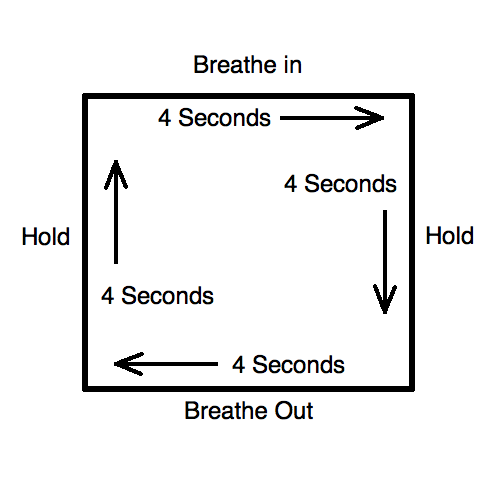
Before stepping on stage, practice diaphragmatic breathing. Breathe in deeply for four counts, hold for four counts, and exhale for four counts. Repeat until your heart rate slows.
Use mindfulness tools like the “5-4-3-2-1” technique. Identify five things you can see, four you can touch, three you can hear, two you can smell, and one you can taste. This can quickly ground and calm you before speaking.
Visualise Success, Not Failure
Our minds often replay what could go wrong; the microphone cutting out, forgetting a key point, or an unimpressed audience. Flip the narrative by using positive visualisation.
Here’s how to do it:
Picture yourself stepping on stage confidently. Imagine the audience smiling and nodding, fully engaged in your words.
Visualisations backed by emotion can reduce negative self-talk and increase self-assurance.
Prepare Thoroughly, But Avoid Overloading
Knowing your material inside and out can provide a significant confidence boost. Preparation minimises surprises and helps you focus on connecting with your audience.
Steps to prepare effectively:
1 – Outline your key points and rehearse them multiple times.
2 – Practice in front of a mirror or record yourself to refine your delivery.
However, avoid over-memorising. Aim for a natural tone rather than reciting word-for-word, it’s more engaging and less stressful.
Gradual Exposure to Tame Anxiety
Like any fear, public speaking gets less intimidating the more you face it. Start small, and gradually increase the stakes.
Build confidence by:
Practicing in front of trusted friends or family members.
Joining a supportive public speaking group like Toastmasters.
Participating in virtual presentations before live audiences.
Focus on Your Audience, Not Yourself
It’s easy to worry about how you appear on stage. Shift your focus outward instead of inward. What value are you bringing your audience? What do they stand to gain from your message?
When you centre your attention on helping, teaching, or inspiring others, your anxiety takes a backseat to your purpose.
Real-Life Stories of Success
You’re not alone in this struggle. Many successful public speakers started with deep-seated fears. Here are two inspiring stories of individuals who transformed anxiety into strength.
Alice’s Journey to Confidence
Alice feared public speaking so much that she actively avoided team presentations at work. But when promoted to a leadership role, she realised this wasn’t sustainable.
Alice began by practicing her presentations with friends and sought coaching from a public speaking mentor. Today, she runs training workshops confidently and inspires others to confront their fears.
“I realised most people aren’t scrutinising you, they’re rooting for you to succeed!” says Alice.

Eric’s Overcoming Stage Fright
Eric, once immobilised by stage fright, embraced gradual exposure to grow more comfortable. He started small, presenting brief updates during team meetings, and worked up to keynote speeches at industry events.
“I still feel nervous, but nerves no longer control me. I’ve learned to channel them into excitement,” he shares.
These stories show that while the path to overcoming performance anxiety varies, success is entirely within reach.
Take the First Step Toward Confident Speaking
Managing anxious thoughts in public speaking is a gradual but rewarding process. Every deep breath, visualisation exercise, and small speaking opportunity pushes you closer to the calm, confident speaker you aim to be.
Remember, it’s okay to seek professional help if anxiety feels overwhelming. Speaking coaches or therapists can equip you with tailored strategies for managing stage fright.

What’s Your Strategy?
We’d love to hear from you! Share your own tips for managing performance anxiety in the comments, or open up about your experiences. Together, we can learn and inspire one another to speak with clarity, purpose, and confidence.